Every glass object has its own vulnerabilities, resulting from its making processes and its specific history of storage and use. The stability of glass depends on factors such as its composition, thickness, surface morphology, internal or induced stresses, and inhomogeneities (inclusions) within the glass. Environmental factors throughout the object’s life – humidity, temperature, pressure, duration, and the presence and concentration of air pollution/volatile substances – also play a role. Much research is devoted to this, particularly in contemporary glass technology. However, the history and properties of individual historical glass objects are sufficiently complex that identifying vulnerabilities and degradation processes remains highly challenging. In some cases, physical properties are identified and degradation processes simulated using replica glass. In general, this can yield considerable knowledge. Nevertheless, simulations will always differ from the reality of individual historical objects, because their history, including that of their storage, is difficult to replicate.
Some common vulnerabilities of glass are listed here. For examples of object-specific issues, see
objects.
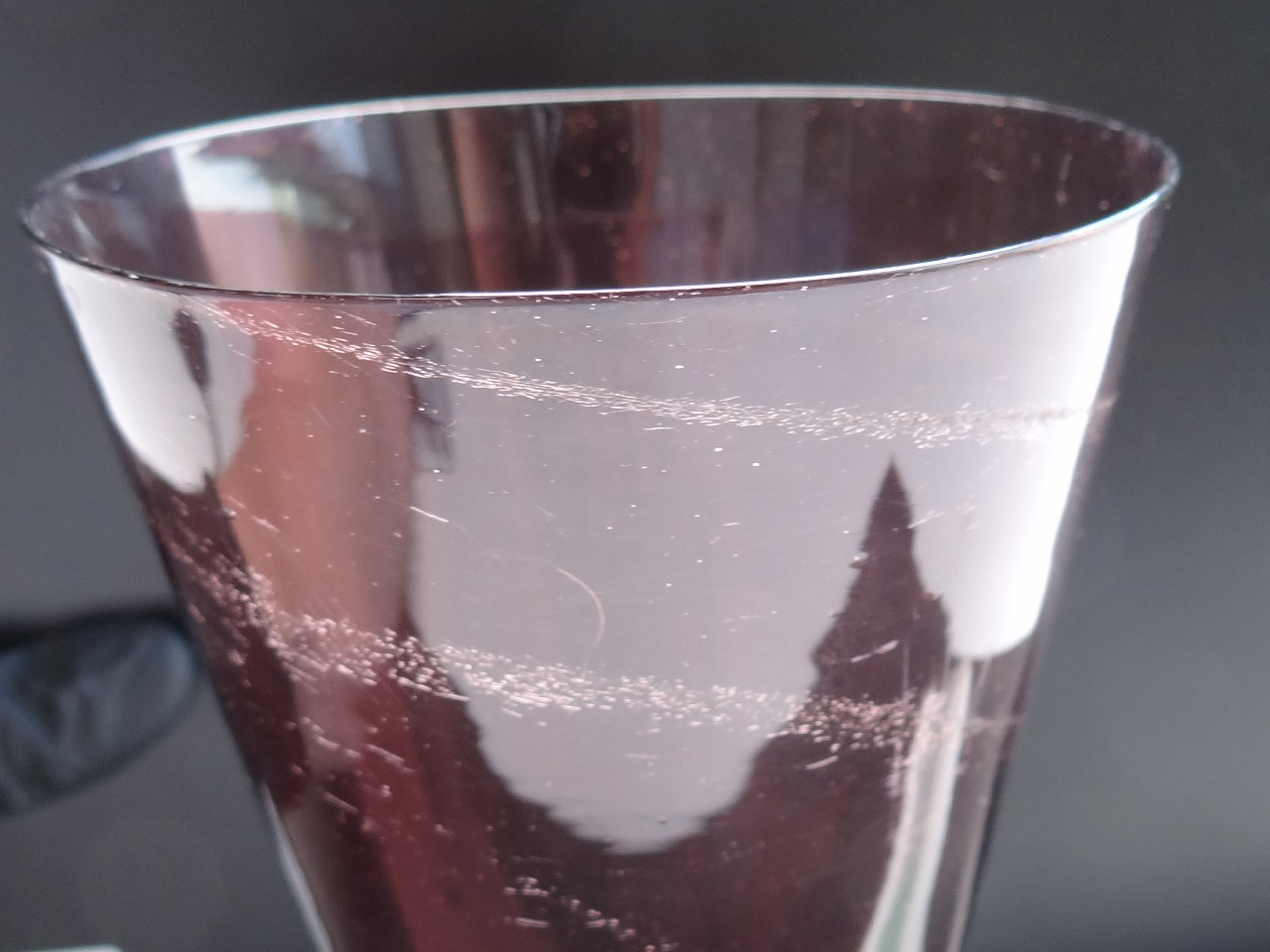
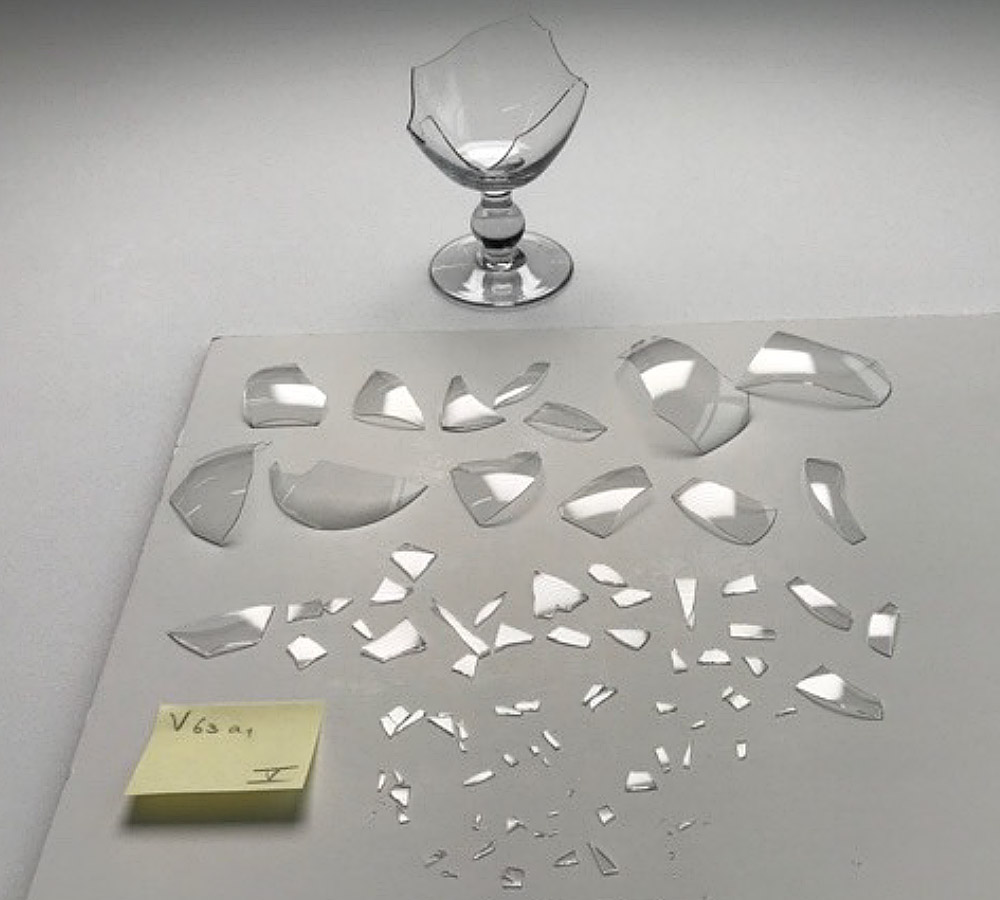
Glass is inherently susceptible to scratches, crack formation and fracture. All glass contains internal stress which can be released upon impact, resulting in cracks and fracture (see
crack formation and fracture). Susceptibility to scratches is partly determined by the composition of the glass. Lead glass, for example, is softer than borosilicate glass and therefore more prone to scratches.
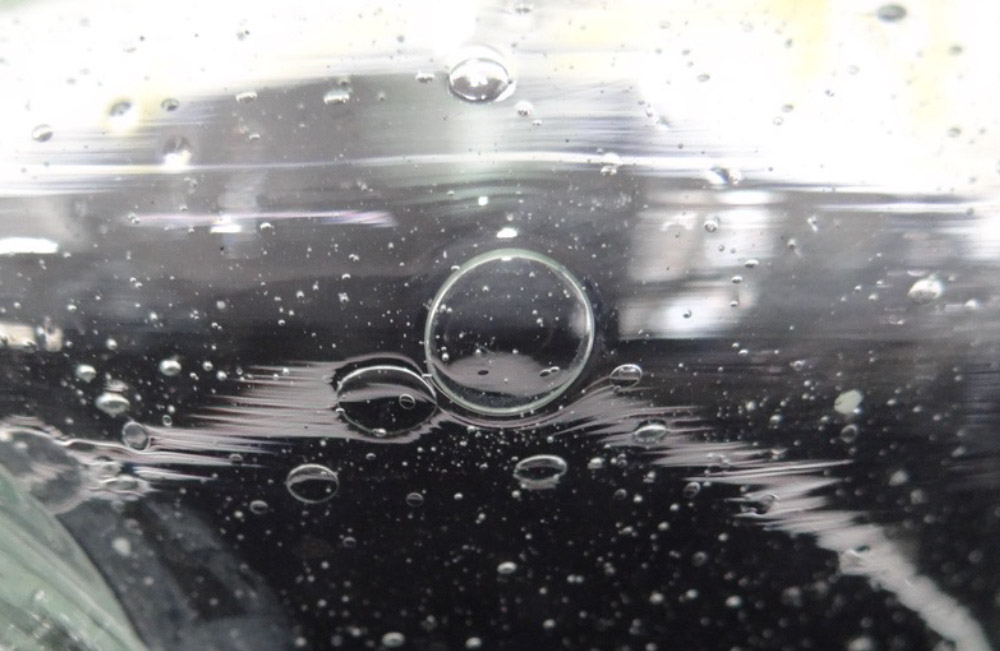
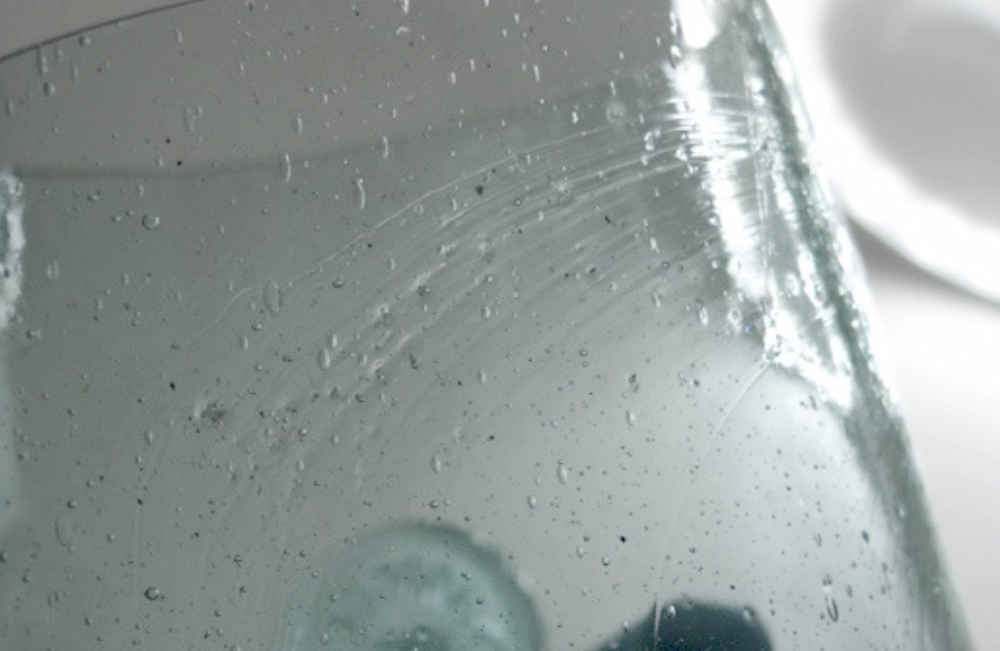
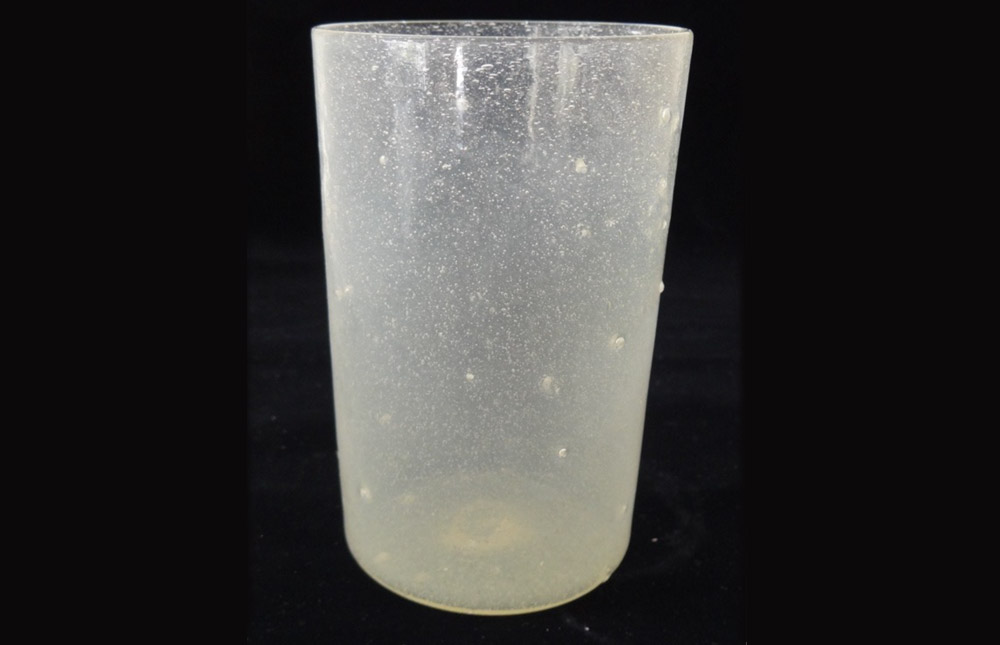
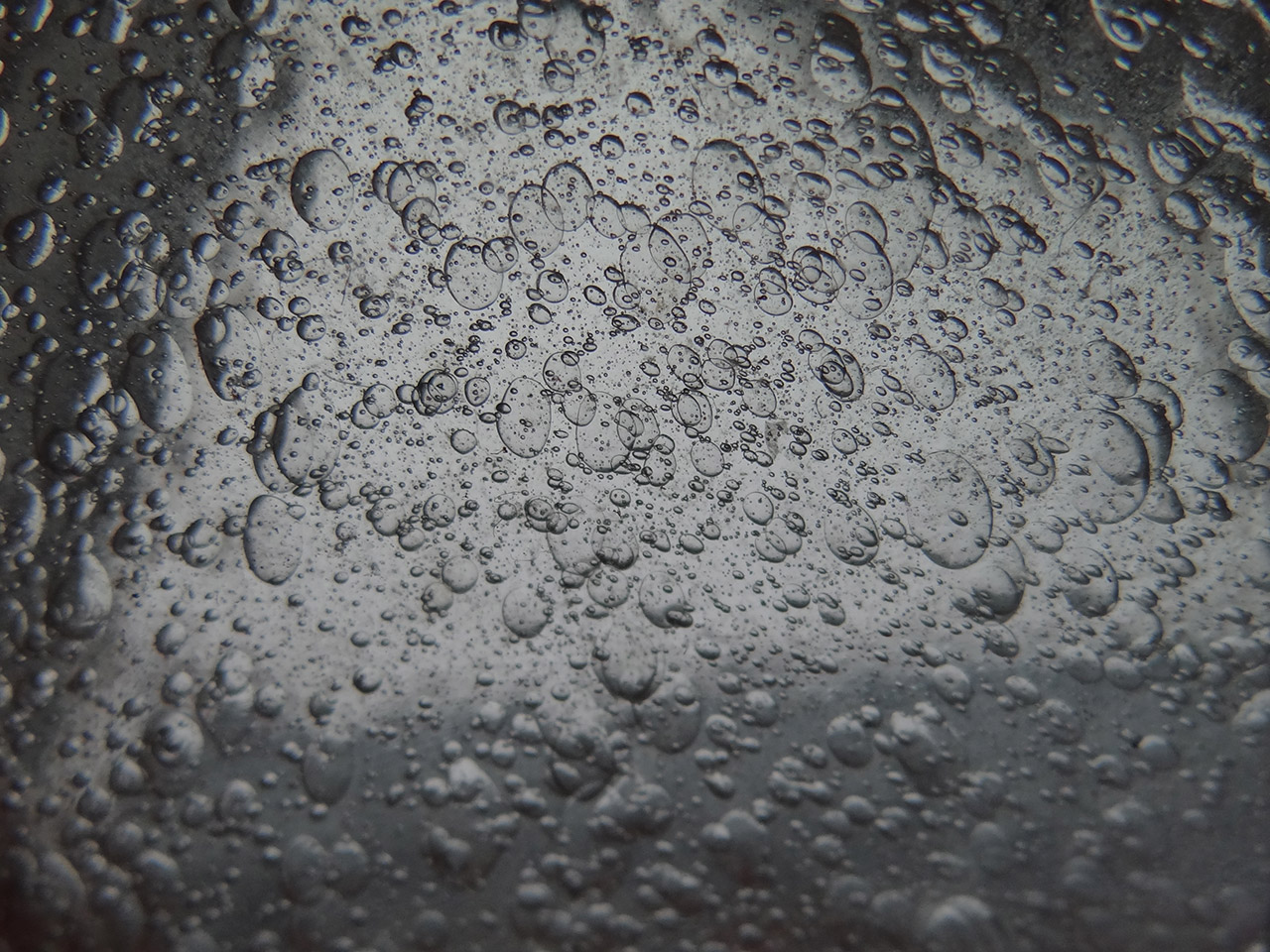
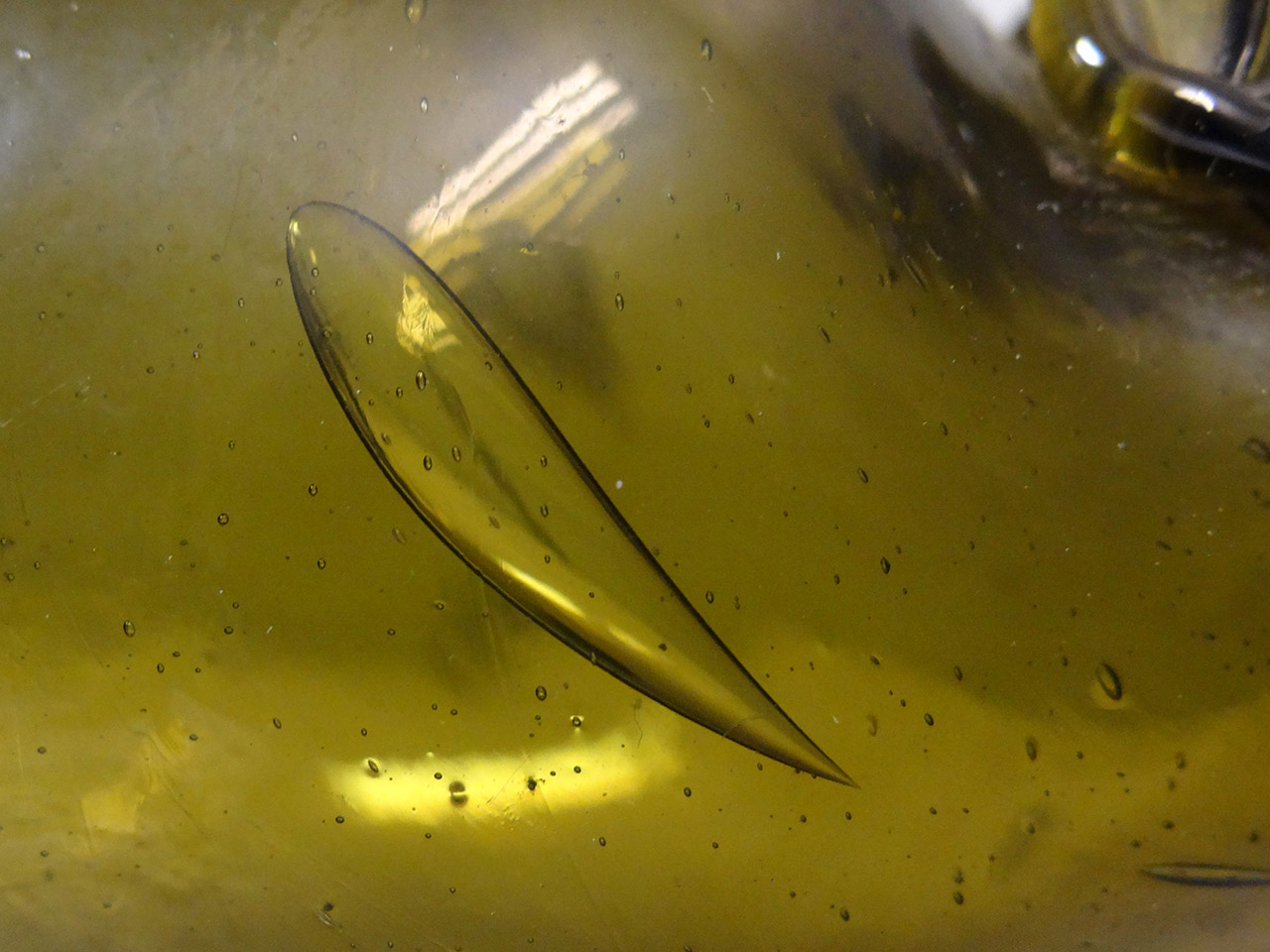
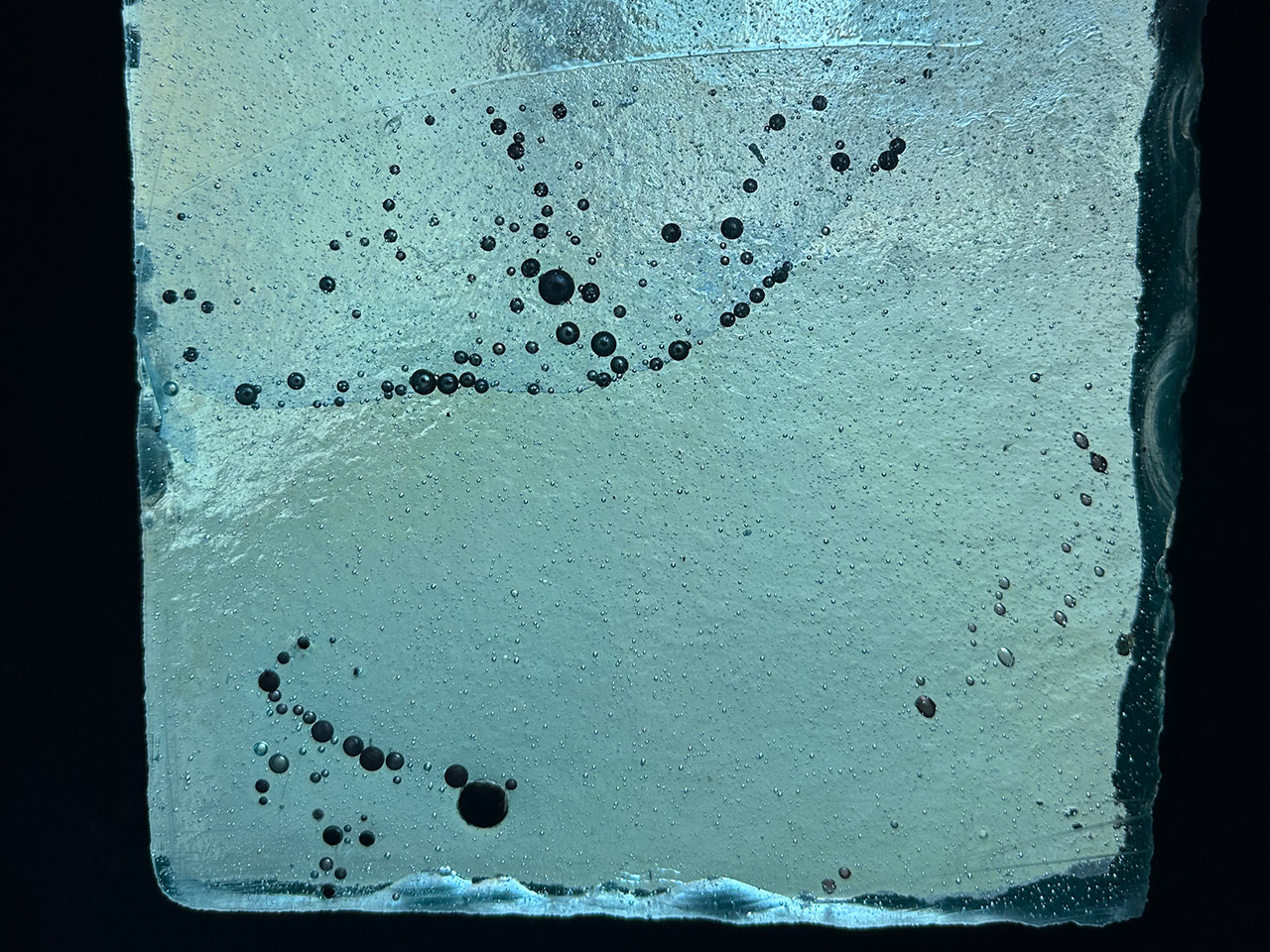
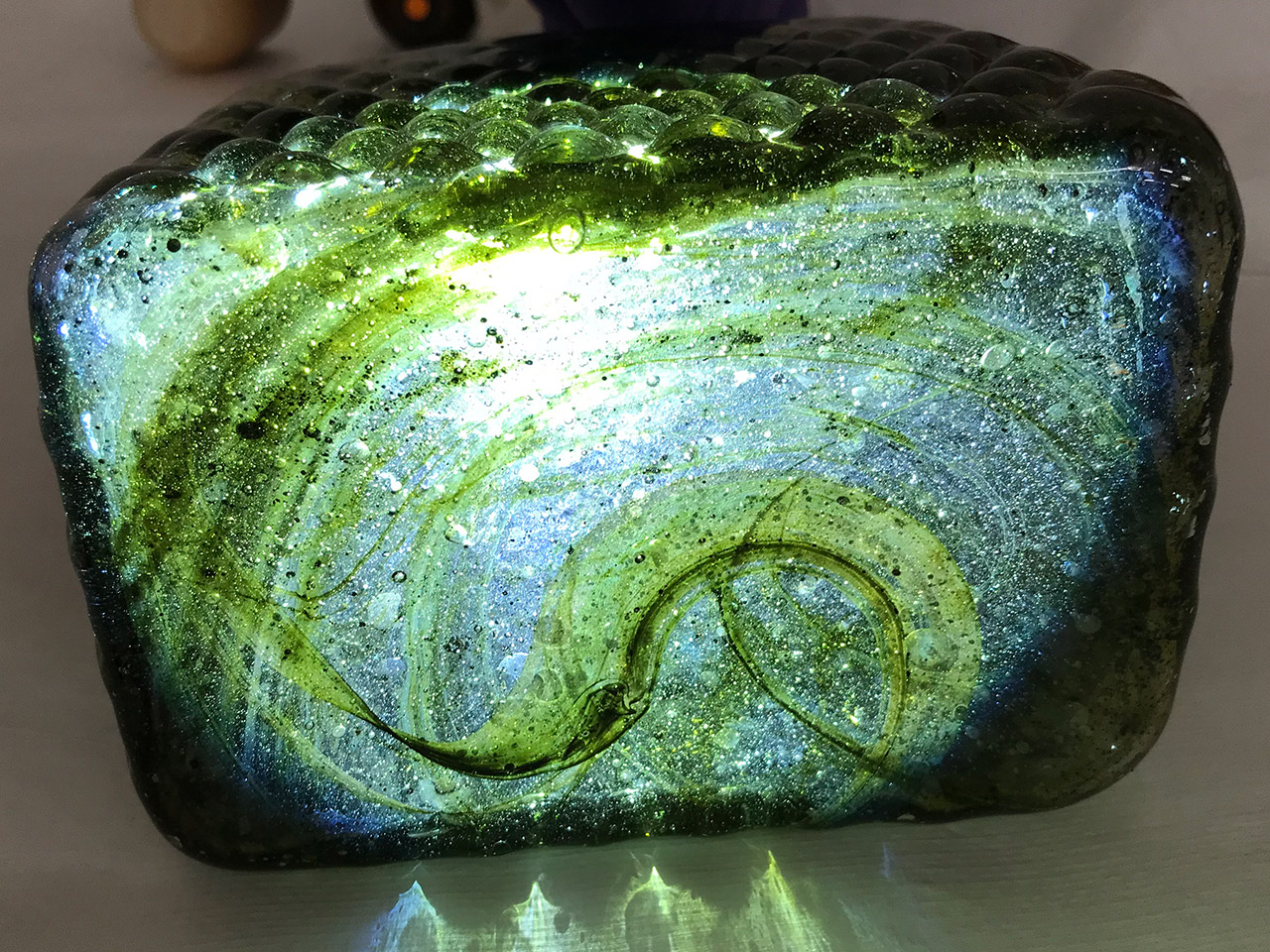
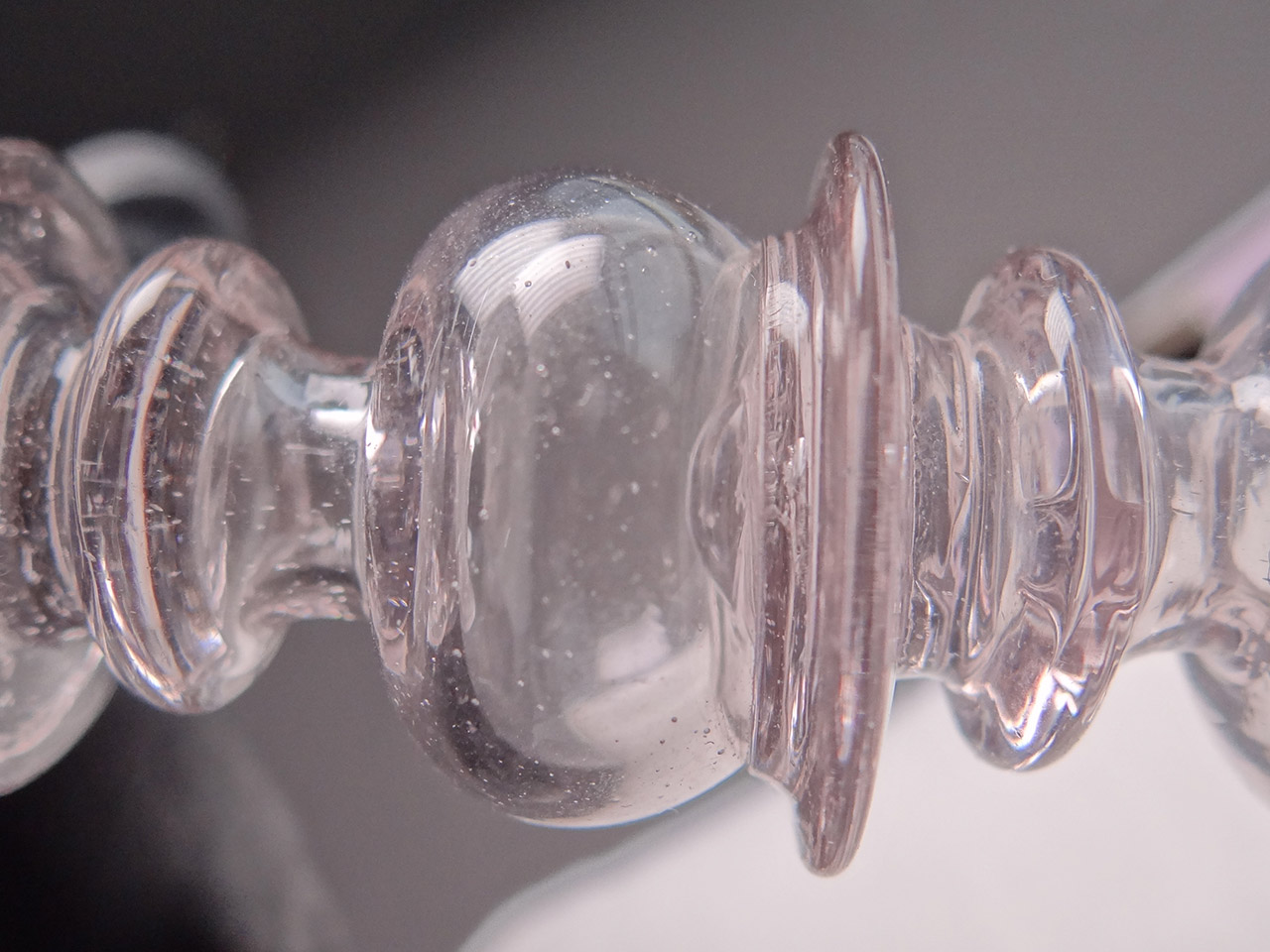
The presence of air bubbles, impurities or materials that have not been fully melted or thoroughly mixed into the glass can increase its susceptibility to breakage.
An important stage in the glass-making process is annealing. If done incorrectly, it can create additional stress within the glass (see
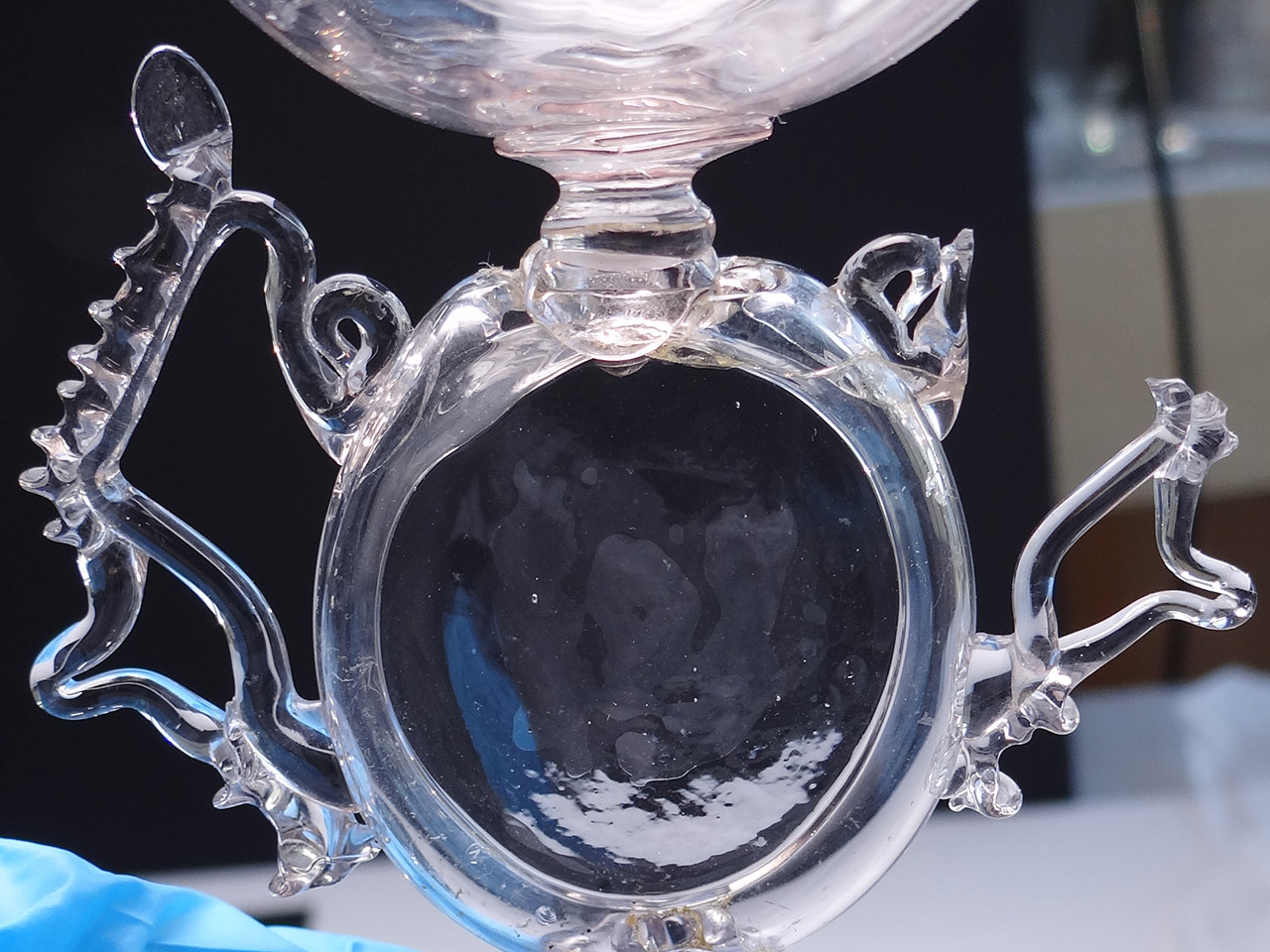
mechanical stress), increasing its susceptibility to crack formation and fracture. An object’s shape or weight can also contribute to its vulnerability: it may have thin walls and be very lightweight or be very large and heavy. It may feature delicate appliqués or decorative elements, or its surface may be very rough, allowing dust and dirt to accumulate easily.
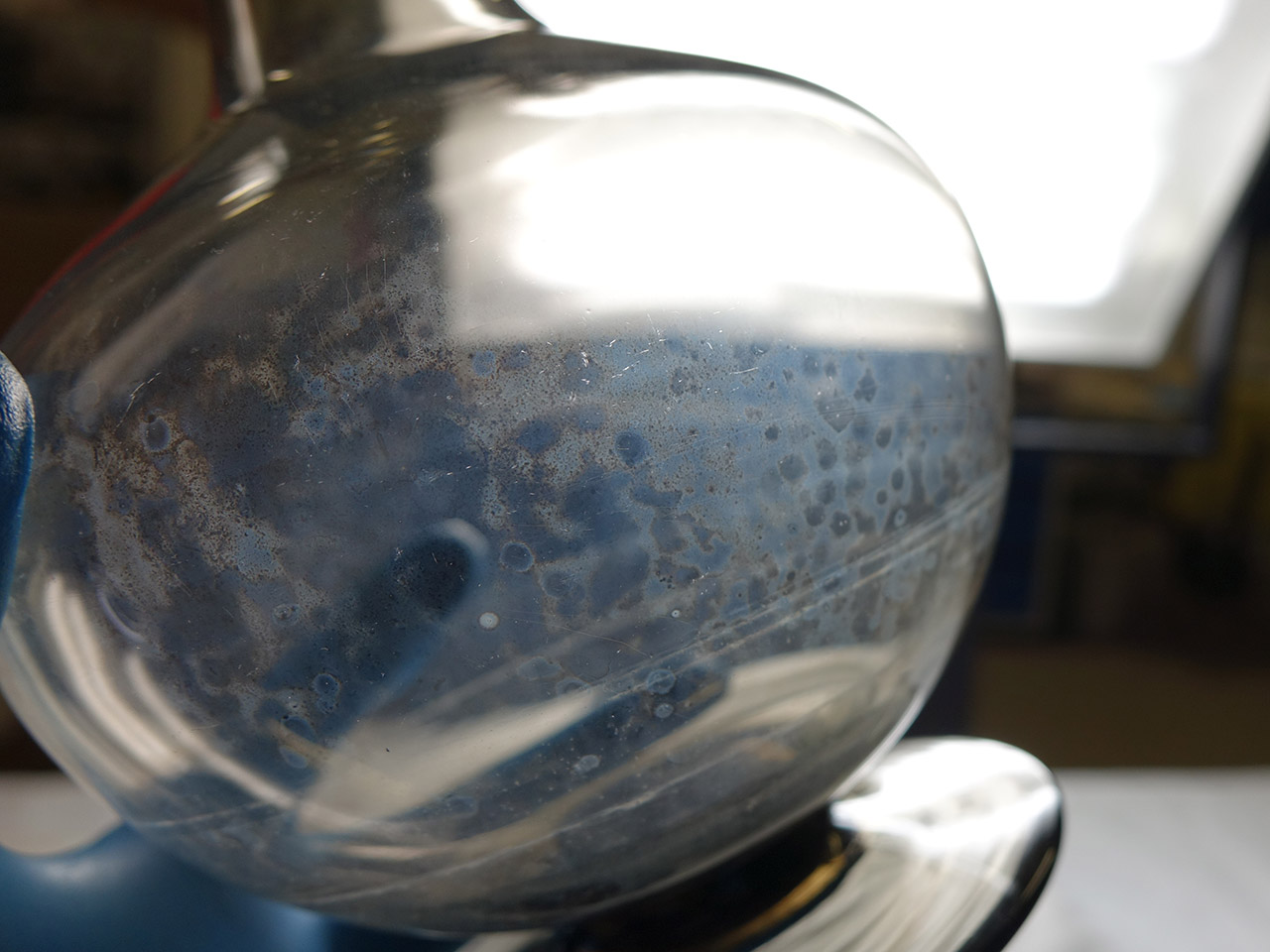
The most significant and perhaps conspicuous vulnerability of any glass object is its susceptibility to moisture. Every glass object absorbs water into its surface layer over the course of its life. Depending on the type of glass, the physico-chemical structure of the surface layer and the acidity of the solution it comes into contact with, physico-chemical degradation processes may occur. Chemically unstable glass may become dull, develop droplets or crystals on its surface, form microcracks or disintegrate structurally (see atmospheric degradation). In archaeological contexts, soil conditions play a major role in the
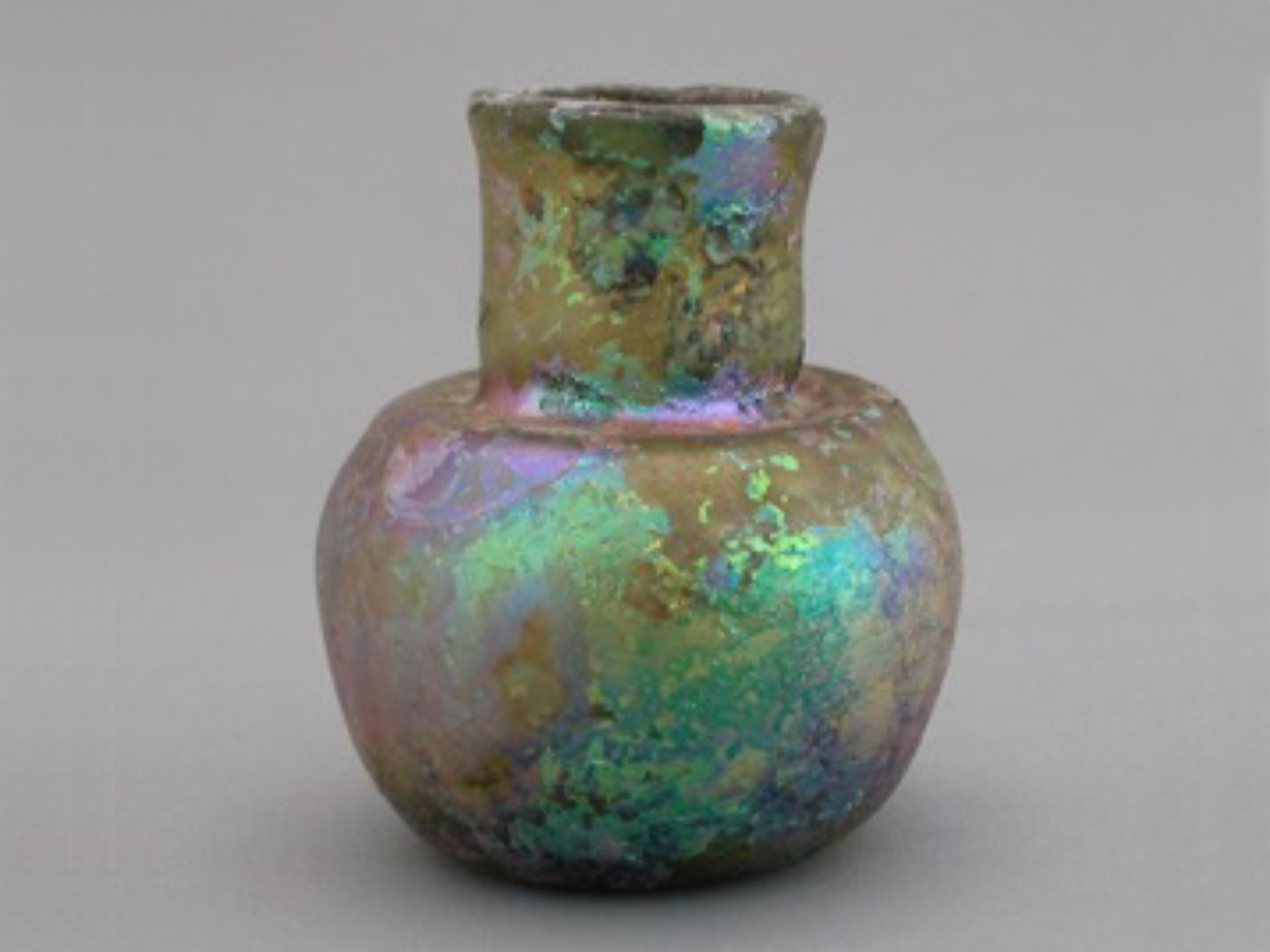
degradation of glass because it is susceptible to water and contaminants in the ground. One form of degradation sometimes found in Roman glass from archaeological contexts gives the surface an iridescent appearance. Delamination of the glass surface alters the refraction of light, producing a spectrum of colours across it. This form of degradation is often highly valued for aesthetic reasons, so much so that iridescent glass flakes are sometimes preserved and later attached using adhesive to other objects (see master’s thesis,
Investigating Tampering in a Roman Glass Pastiche through LA-ICP-MS Elemental Profile Comparison.)
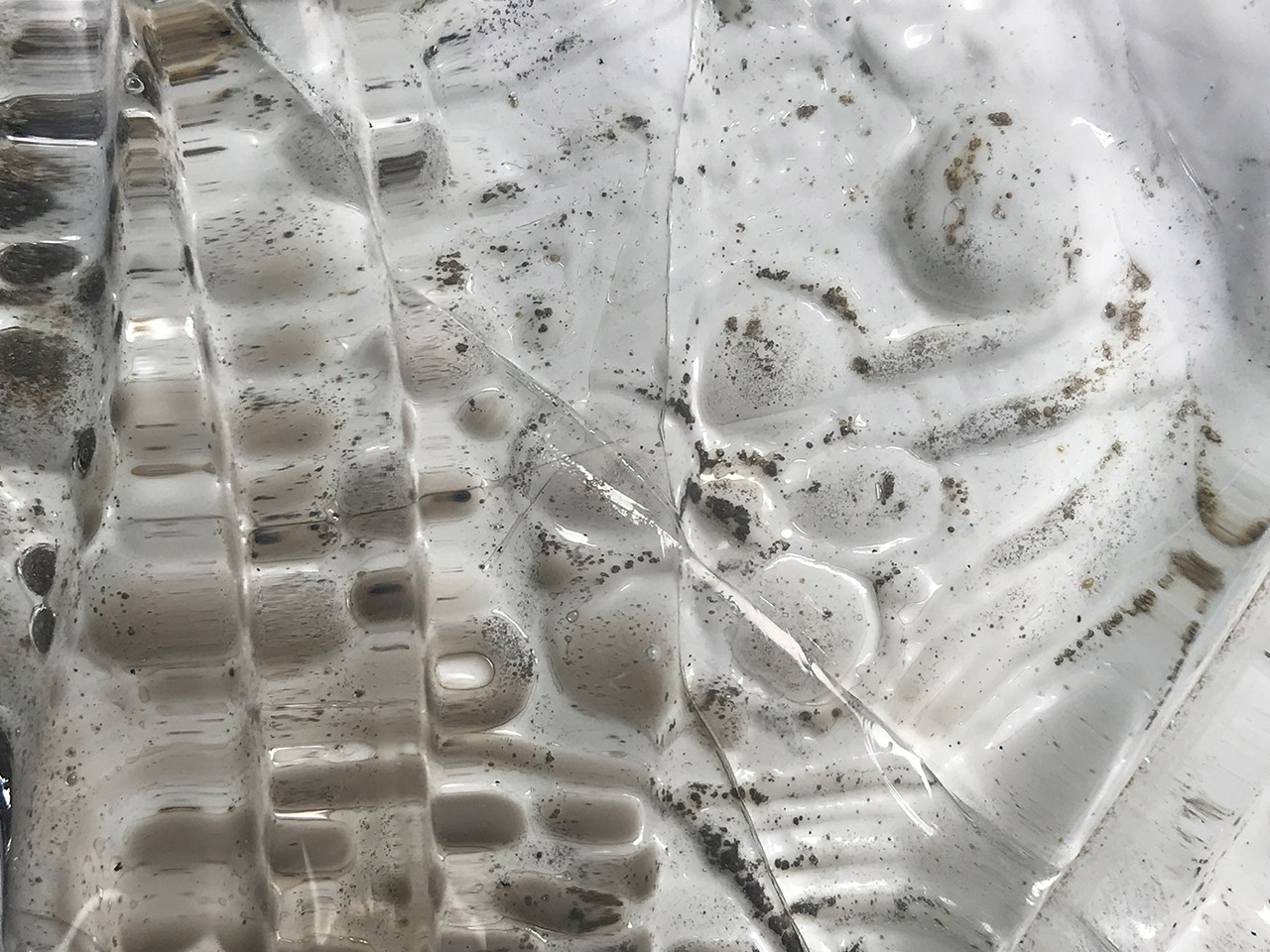
Glass is also susceptible to dust and impurities from the air or environs, resulting from use, storage or handling. Under certain conditions, UV light can also cause discolouration, giving the glass a yellowish or pinkish-purple tint (see
solarisation).