The Italian term incalmo refers to the fusing of glass, whether coloured or clear. The technique demands considerable expertise because the two pieces must fit together precisely and be compatible.
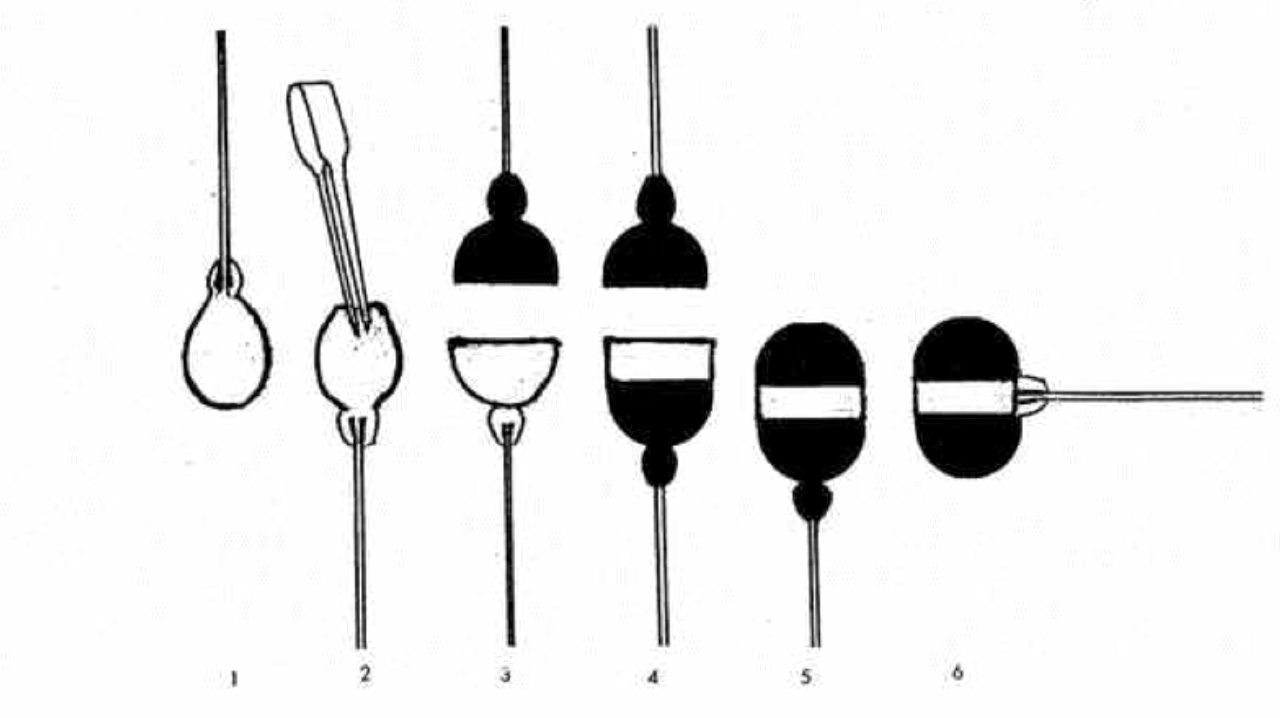
A glassmaker blows a coloured glass bubble, opens it to form a ‘cup’, then places it in a top-loading kiln or has an assistant keep it warm. A second cup in another colour is made to the same diameter. Both cups’ rims are reheated in a glory hole and then, aided by an assistant, carefully brought together, fusing the two pieces into a larger cylindrical bubble. This is reheated so that the join can be smoothed. This larger bubble is also opened so that additional coloured cups can added or the glass can be shaped to its final form, such as a vase or as plate.’
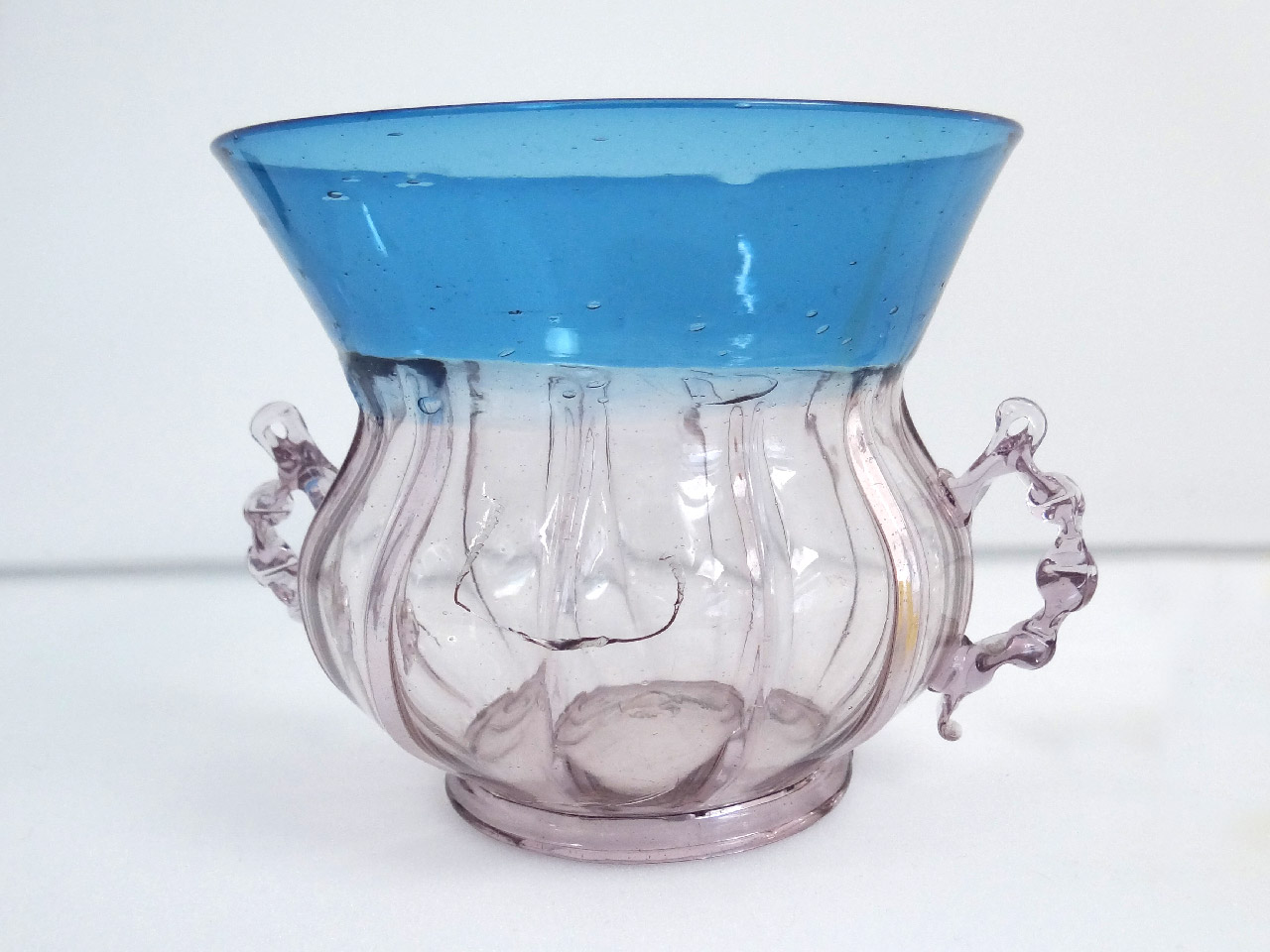
For the bowl by an unknown maker, dated 1600–1700, in the Museum Boijmans Van Beuningen collection, Durk Valkema describes the incalmo technique as follows: Two glassmakers work simultaneously, each blowing a bubble and opening it into a bowl, one clear and the other coloured, ensuring that the diameters of the two bowls match. The rims are reheated in a gloryhole, then pressed together very precisely to fuse. The coloured bubble is opened to form a single bowl again. The point where they join is held slightly pinched, after which the coloured cup is opened slightly again with glass scissors to form a slightly conical rim.
unknown, bowl, 1600 / 1700
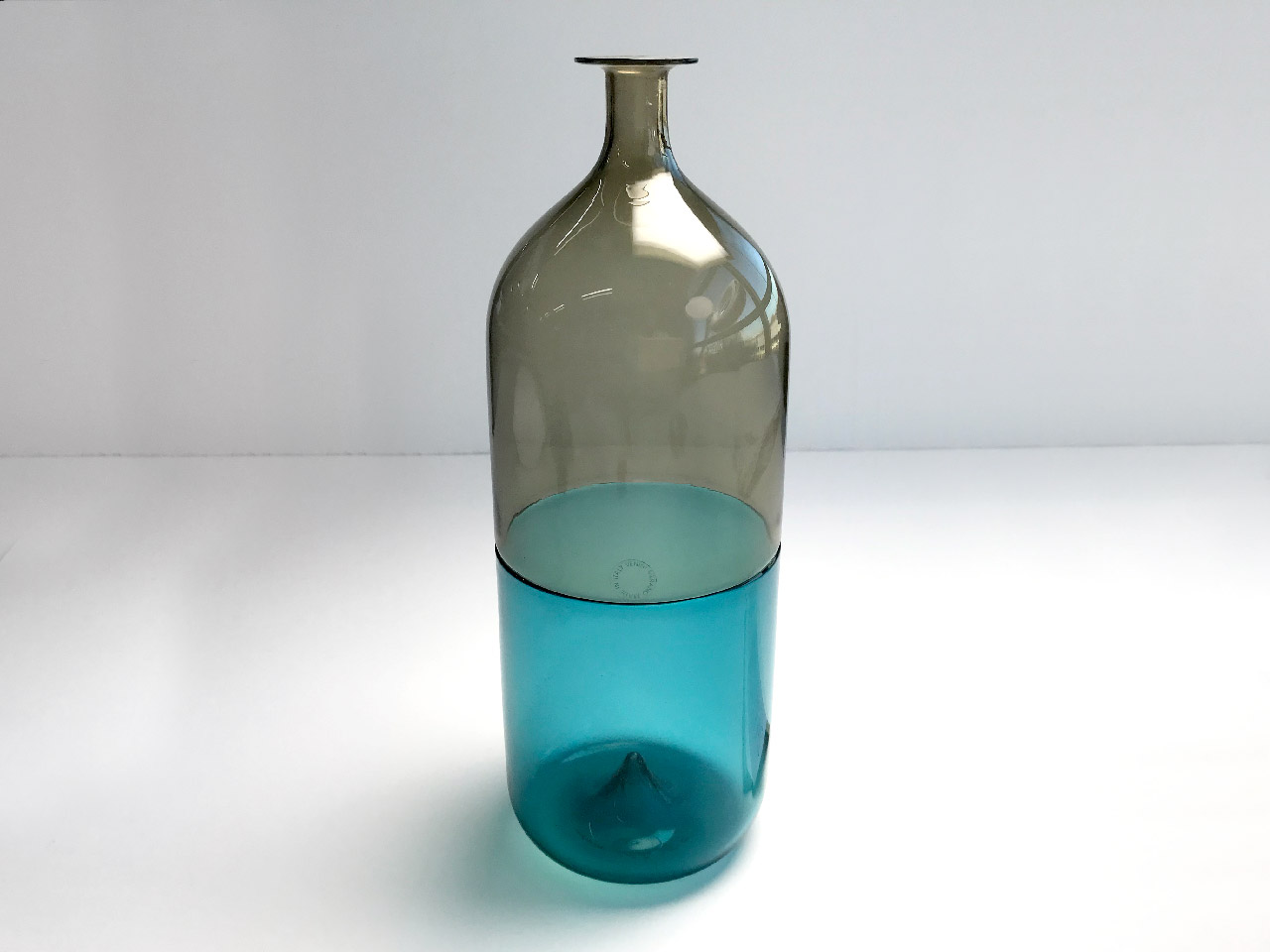
Tapio Wirkkala, Vase Bolle (model 503-1), 1966-1967